The Problem With Traditional Mailrooms
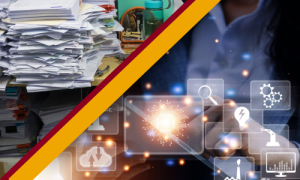
Businesses still rely on manual mailrooms to handle incoming documents. However, this approach slows everything down. Mail arrives, someone opens it, someone sorts it, and another must decide where it goes. As a result, documents sit in piles and teams wait for more information. Digital mail processing solves this problem by capturing, digitizing, and routing documents automatically. Instead of moving paper, businesses move information.
What Is Digital Mail
Digital mail captures incoming mail and turns it into usable digital information. Instead of moving paper, systems scan, organize, and route documents automatically. In addition, digital systems identify document types and send them to the right place without manual sorting. This allows businesses to replace slow, manual workflows with faster digital processes.
How Traditional Mailrooms Work
Traditional mailrooms rely on manual steps.
Employees open envelopes. They review documents, sort files by department, and deliver documents physically or by email.
This process creates delays and increases the risk of errors. For example, invoices can sit in a pile for days before reaching accounting.
How Digital Mail Processing Works
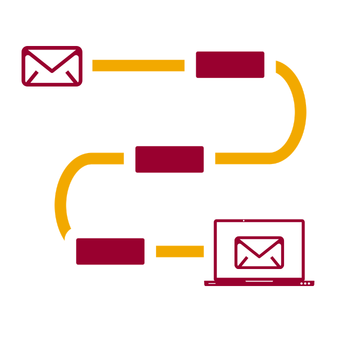
Digital mail follows a structured workflow.
Mail Intake
Teams receive physical mail or digital documents.
Scanning
Systems digitize documents immediately.
Data Identification
Next, systems recognize document types and key information.
Routing
Finally, systems send documents to the correct department or system.
As a result, documents move through the business without delays.
Key Differences Between Digital and Traditional Mailrooms
The difference comes down to speed, accuracy, and control.
Speed
Traditional mailrooms process documents manually.
Digital mail delivers documents instantly.
Accuracy
Manual handling creates errors.
Digital systems apply consistent rules every time.
Visibility
Paper mailrooms offer limited tracking.
Digital systems track every document from start to finish.
Scalability
Manual processes slow down as volume grows.
Digital systems handle increasing volumes without added effort.
Why Businesses Are Switching to Digital Mail Processing
Organizations move away from traditional mailrooms because manual processes do not scale.

Faster Access to Information
Teams receive documents as soon as they arrive.
Reduced Manual Work
Automation removes repetitive tasks.
Improved Workflow Efficiency
Documents move directly into business systems.
Lower Operational Costs
Businesses reduce labor and storage expenses.
In addition, teams spend less time managing paper and more time making decisions.
Digital Mail Processing and Modern Workflows
Digital mail supports broader automation strategies. Once documents become digital, systems can extract data and trigger workflows automatically. For example, forms can route to the correct department, and invoices can enter accounting systems without manual input. According to AIIM, organizations that digitize document workflows improve efficiency and reduce operational risk.
The Future of Mailrooms
Mail will continue to arrive. However, businesses will not process it the same way.
Traditional mailrooms rely on people.
Digital mail processing relies on systems.
As a result, organizations gain faster access to information and better control over workflows. Companies that adopt digital mail processing will move faster and operate more efficiently.
FAQ
Digital mail processing captures incoming mail, converts it into digital files, and routes documents automatically.
Traditional mailrooms rely on manual sorting and delivery, while digital mail processing automates document capture and routing.
Businesses switch to improve speed, reduce manual work, and gain better control over document workflows.
Digital mail processing reduces delays, eliminates manual steps, and routes documents instantly.